


Nordic Hydrogen Corridor
The new Nordic HRS network will enable FCEVs to travel between the metropolitan areas from Norway, through Sweden to Denmark and Finland and further via Germany to other parts of Europe.


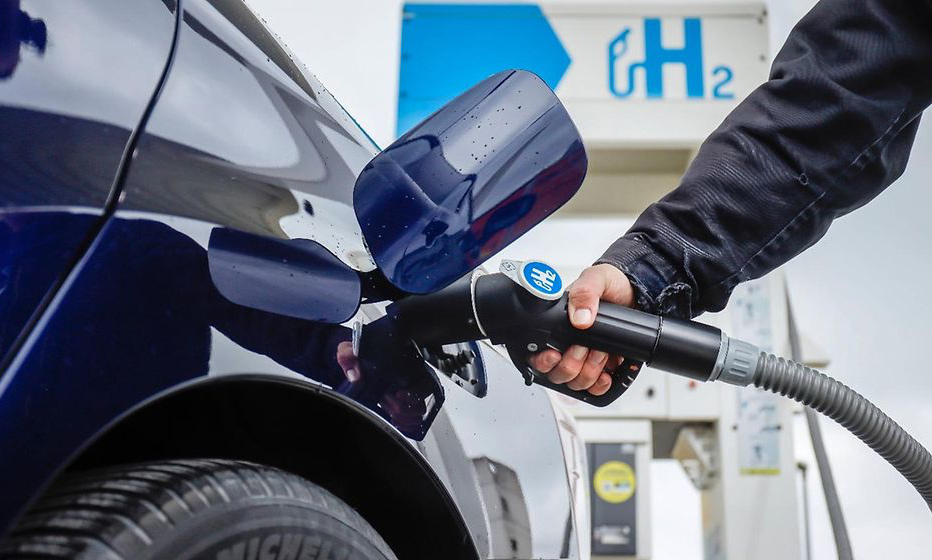
8 new hydrogen refueling stations (HRS) to transition into a zero emission replacement of current fossil-based fuel.
hydrogen production unit to produce renewable hydrogen

fuel cell electric vehicles (FCEV) produce only water vapor as emissions and clean the air while driving
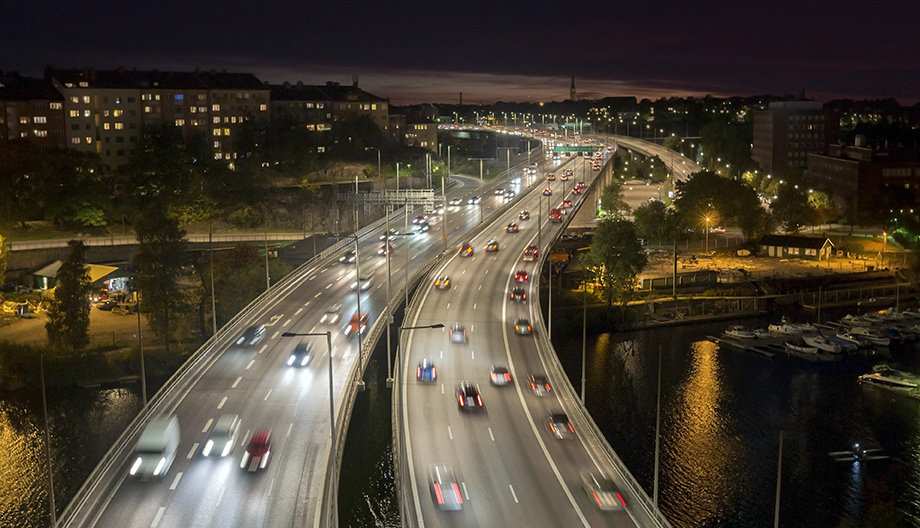
Along the TEN-T core network in Sweden in the period 2017-2022, enabling zero emission transport between the capitals of the Nordic countries with fuel cell electric vehicles.
The new Nordic HRS network will enable FCEVs to travel between the metropolitan areas from Norway, through Sweden to Denmark and Finland and further via Germany to other parts of Europe. An increased use of fuel cell electric vehicles has been pointed out by the European Commission as an important step to reach an emission free transport sector. By using hydrogen in conjunction with fuel cell technology one gets emission-free vehicles with clean water vapor as the only emission. The hydrogen will cause no greenhouse gas emissions since it will be produced from renewable energy in Scandinavia.
How will it work
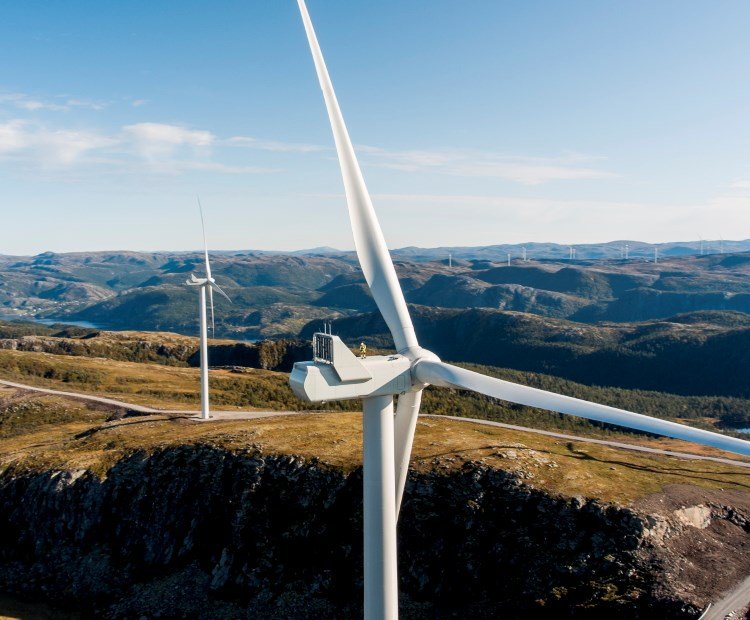
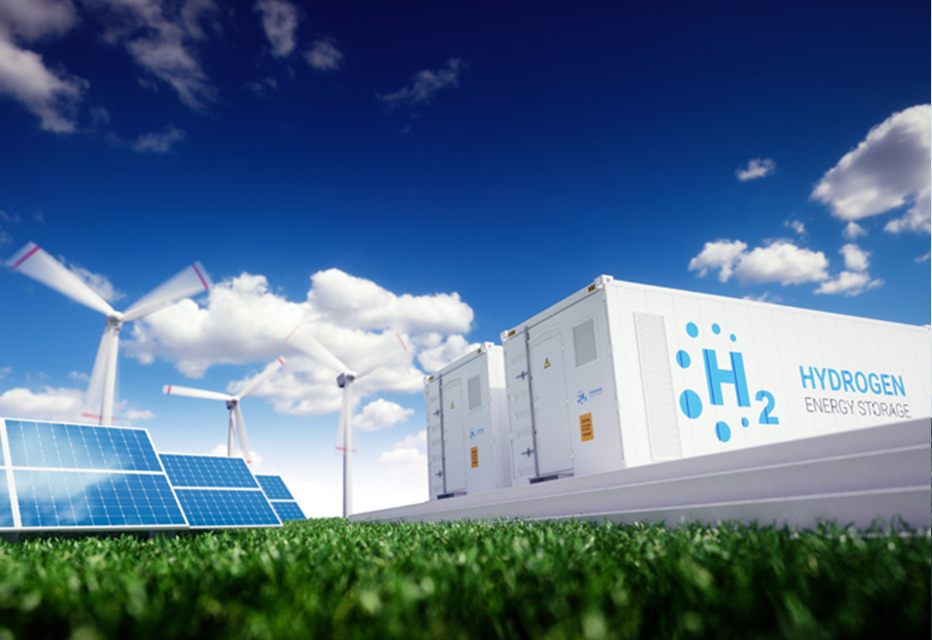
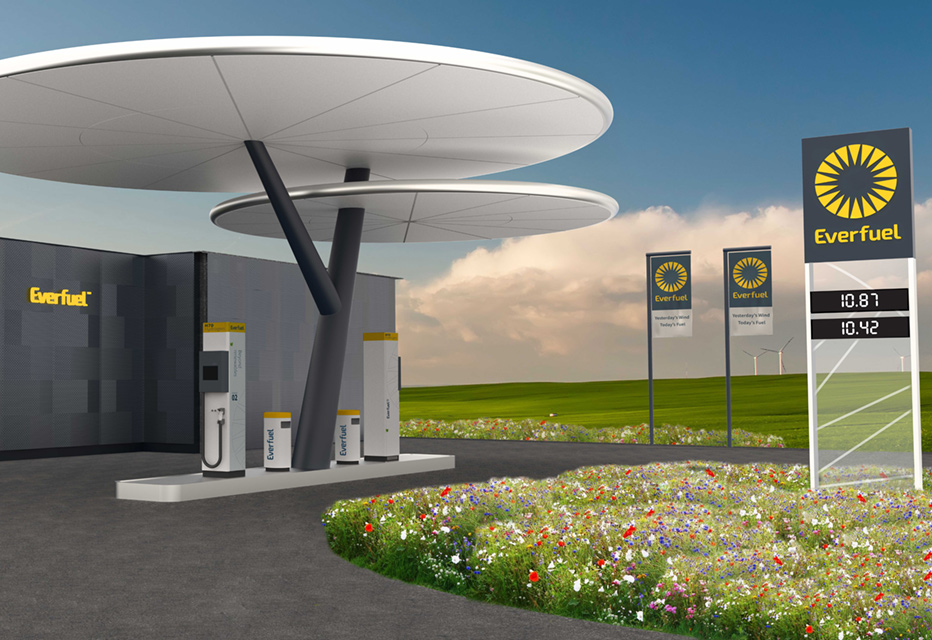

The Nordic Hydrogen Corridor initiative is part of a global project whose objective is to establish an initial network of 130 hydrogen refueling stations in Sweden along the Trans-European Transport Network TEN-T core network in Sweden for fuel cell electric vehicles mobility by 2030.

- Create broadawareness of opportunities offered by green hydrogen transports and identify suitable locations for hydrogen refueling stations placed along the pre-defined road network corridors.
- Initiate dialogue with future customers of fuel cell vehicles within public transport as well as among private vehicle fleet owners.
- Identify authorities responsible for applicable permits.
- Create alignment with suitable partners in selected locations and perform in-depth analysis of business viability for planned infrastructure investments.
- Define technical specifications for production site for green hydrogen and for refuelingstations.
- Ensure support for the necessary investment decisions in all locations and for allinvolved customers.
- Establish contact with suitable permitting authorities and initiate permit processes.
- Finalise technical and legal preparations for establishing the infrastructureand carry out all construction work.
- Ensure ordering fuel cell vehicles according to customers’ requirements.
- Ensure spreading information about new hydrogen refuelingnetwork in collaboration with partners and customers.
- Prepare for commercial operations and for user evaluations.
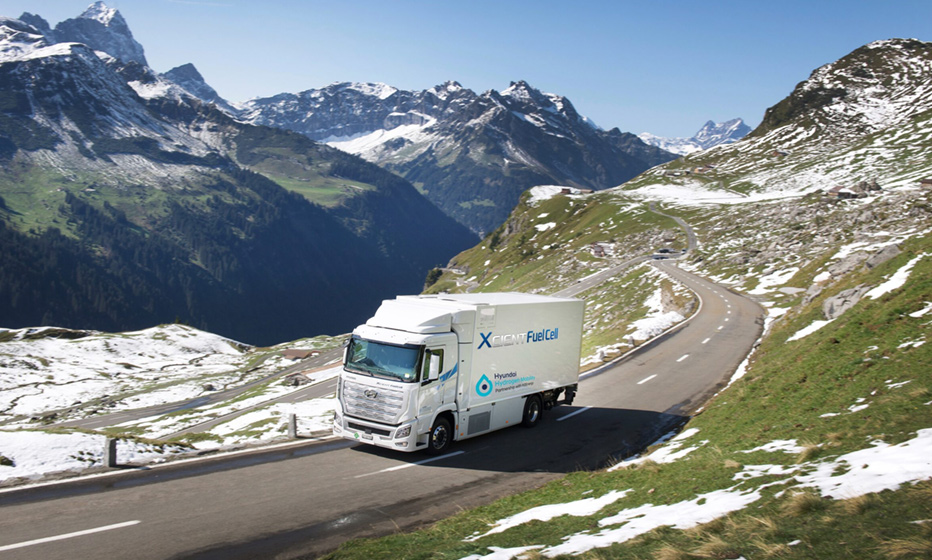
Perform commercial go-live for the infrastructure and deployment of fuel-cell vehicle fleets. Follow up and analyseuser experience and define recommendations for further steps. Evaluate business case for the entire value chain and analyse business-client relationship to facilitate broad roll-out of hydrogen transport in the future.